What Makes a Riding Holiday Legitimate
A practical guide to assessing horse welfare, rider suitability, route planning, and operator judgment.
Read the noteVonfidel Ranch Journal
The Journal records how the Ranch cares for horses, assesses riders, checks routes, and works with the land at Punanai. It also preserves guest records, press notes, and longer essays on equestrian travel in Sri Lanka.
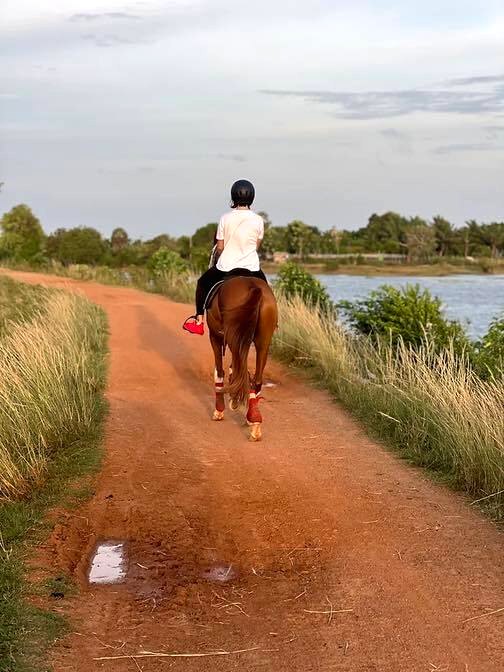
Entries draw on horse care, route checks, weather, rider suitability, and the decisions made before and after a ride.
Responsible Tourism Field BriefSelected reading
Begin with the riding-holiday checklist, the record of outside recognition, or the page explaining how the Ranch handles access and horse welfare.
Editorial themes
Articles are grouped around horse care, trail conditions, rider readiness, and the Punanai landscape.
Care, rest, rider matching, and handling before, during, and after a ride.
Footing, weather, pace, route selection, and the checks made before horses leave the Ranch.
Experience is considered alongside balance, confidence, conduct, physical readiness, and the available horses.
Notes on Punanai's plains, scrub, seasonal waterways, grazing country, and the effect of local conditions on riding.
Current notes
The latest essays and field notes appear here. The subject index below lists the full public archive.
How to assess rider ability, horse welfare, tropical terrain, booking questions, and the difference between rides, training, and riding holidays.
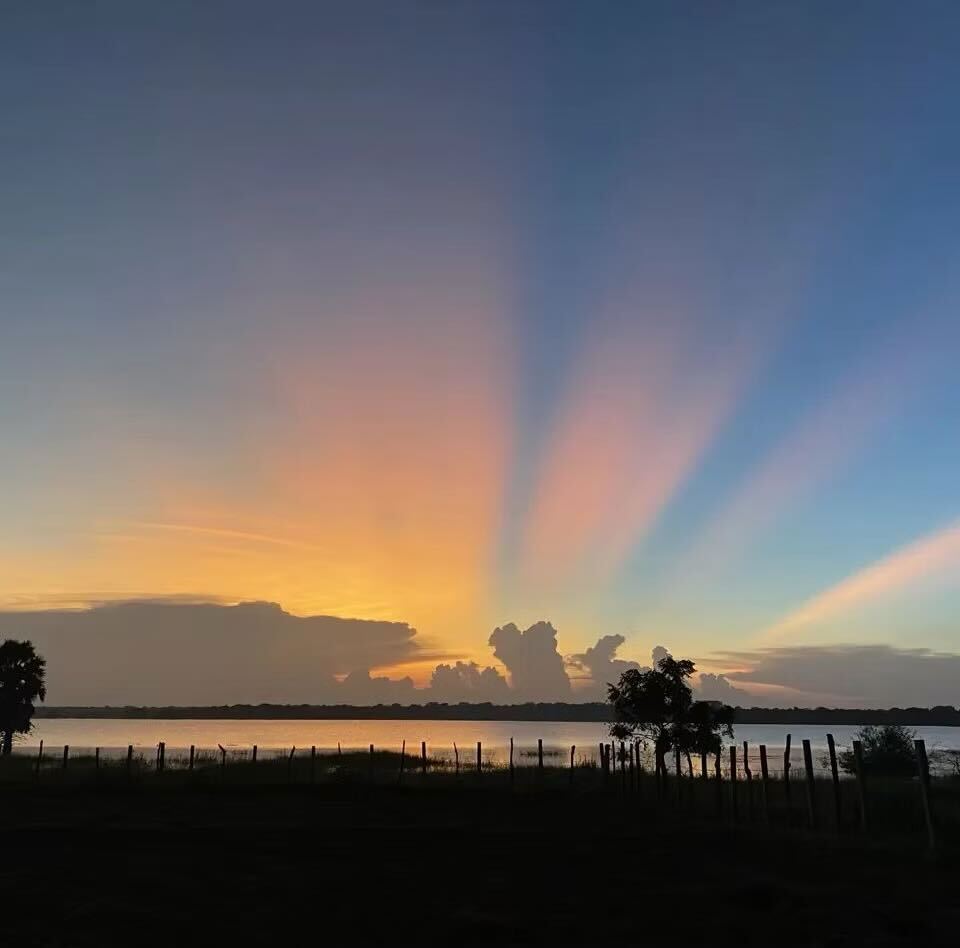
Read journal noteThe field decision behind an unplanned evening in the water with a capable rider, willing horses, and enough daylight to continue.
Read field noteWhat Delft’s free-ranging horses reveal about tourism limits, water, animal welfare, local authority, and responsible access.
Read journal noteA field essay on equine sleep, sentinel behavior, and why the night hours are the truest measure of welfare.
Read journal noteWhy the ranch keeps a written welfare doctrine, and what the Long Riders' Guild Code of Equestrian Ethics teaches about standards that must cost something.
Read journal noteThe Marwari's inward-curving ears: their origin, the folklore around them, and why the whole horse matters more than its most recognizable feature.
Read journal noteCrossings, run-off, dry-season routes, and the field judgment behind reading water before every trail ride.
Read journal noteA field note on a landscape once made famous for fear, and the calm daily reading horses now give it.
Read journal noteA quiet note on the horse as a living animal before grooming, display, or guest expectation.
Read journal noteHow consistent handling, timing, and human conduct affect a horse's confidence.
Read journal note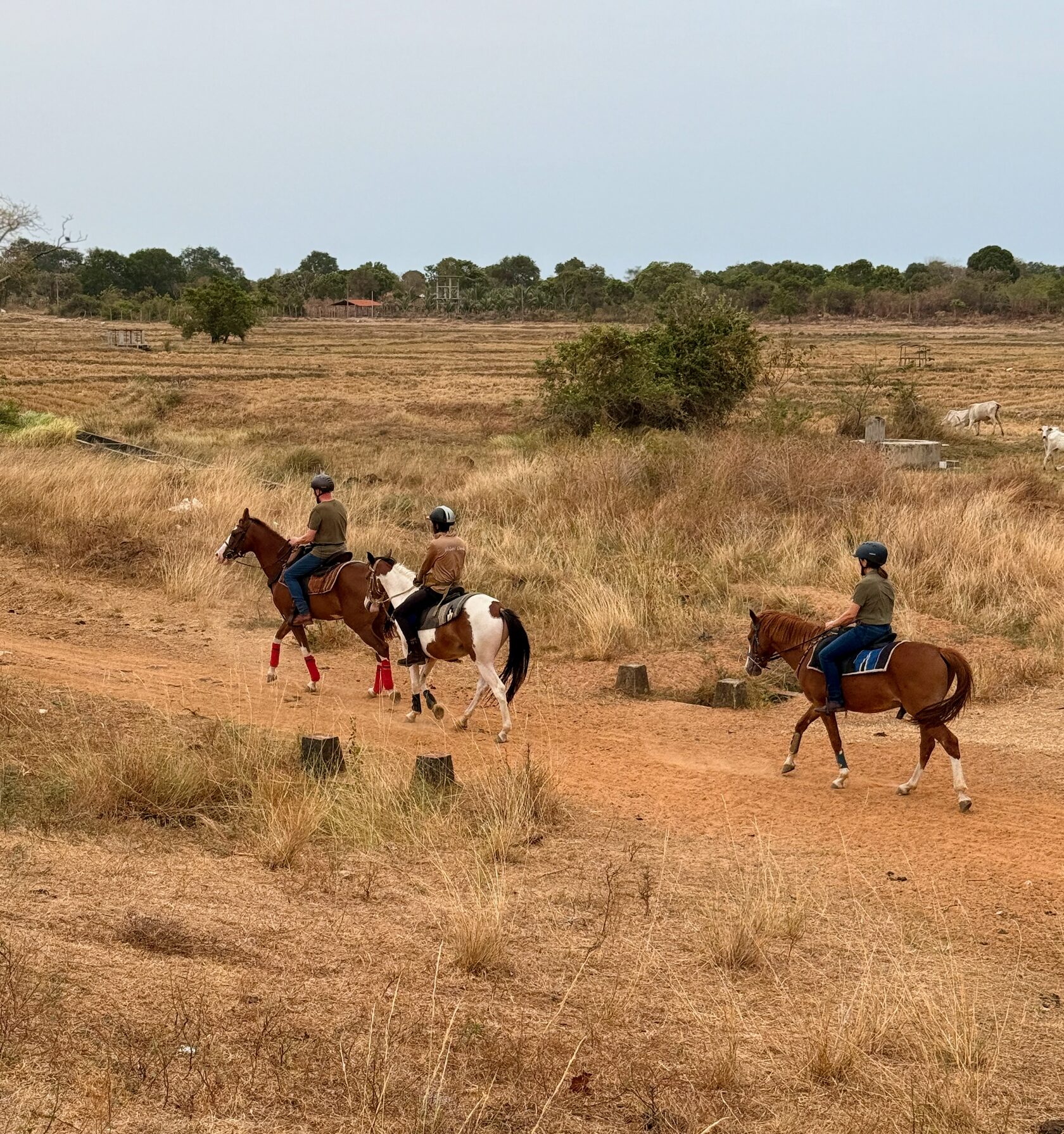
A position on rural tourism grounded in landscape, local knowledge, and accountable operations.
Read journal note
The role of accommodation, meals, and rest within a residential riding stay at Punanai.
Read journal note
A field note on observing what draws a horse's attention before a person notices the same change.
Read journal note
The observations, communications, route planning, and local knowledge behind a riding day.
Read journal note
Horse conditioning, equipment checks, route reconnaissance, weather assessment, and preparation before guests arrive.
Read journal note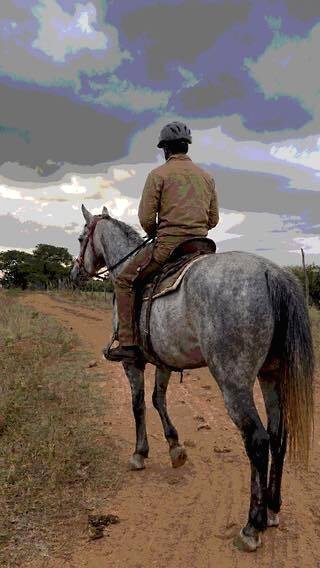
A note on fairness, patience, partnership, and choosing an appropriate pace on the trail.
Read journal note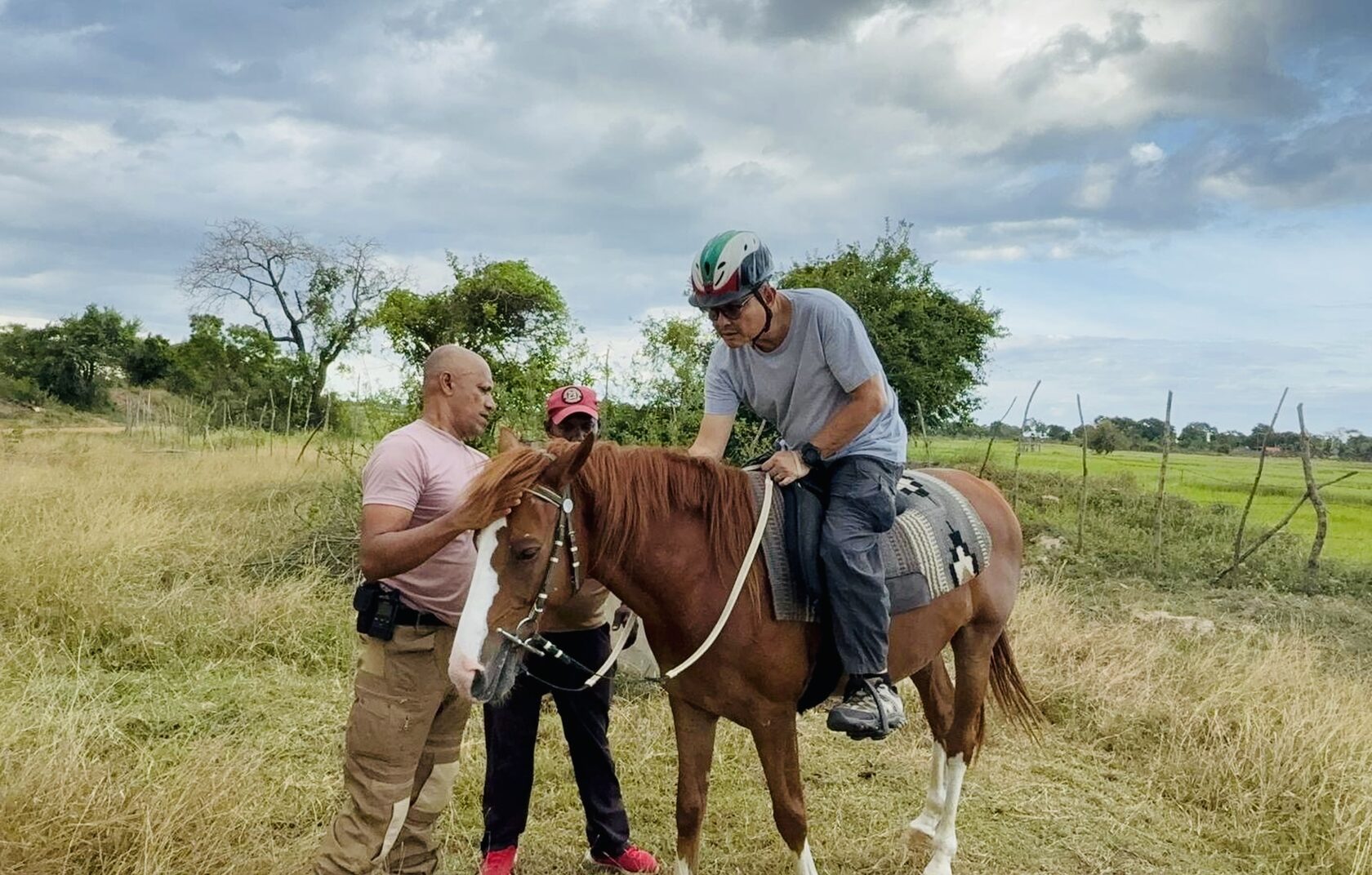
The horse care, equipment checks, route work, and rider assessment that happen before the guest mounts.
Read journal note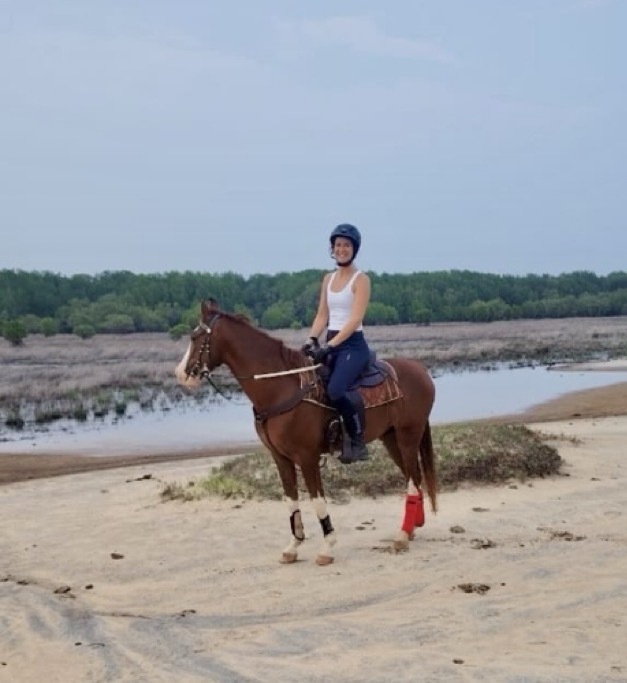
How horse welfare, planning, and operating decisions shape a residential riding holiday.
Read journal noteAll articles
The public archive is grouped by subject and includes essays, field notes, guest records, and practical horsekeeping articles.
No Journal notes match that search. Try a broader subject or title.
An equestrian operator’s view of zero-emission tourism, landscape limits, water, animal welfare, and local authority on Delft.
A note on Punanai's older reputation, the land's present calm, and how horses read place through daily work.
A note on resisting performative content while keeping the horse, place, and field judgment central.
A position on rural tourism grounded in landscape, local knowledge, and accountable operations.
The role of accommodation, meals, and rest within a residential riding stay at Punanai.
A field note on rider suitability, horse willingness, water, cooling, and the decision to continue near the end of a ride.
Crossings, run-off, dry-season routes, and why reading water is part of the judgment behind every trail ride.
A quiet note on the horse before grooming, display, or guest expectation enters the frame.
On observation, awareness, and what a horse reads before a person does.
The unseen observations and local knowledge behind a responsible riding day.
The preparation that makes a riding holiday feel calm rather than improvised.
A record of choosing care, conditions, and clarity over fulfilling the schedule.
Why quiet, uneventful days expose the true standards behind riding.
A practical guide to rider suitability, horse welfare, tropical terrain, booking questions, and choosing the right riding format.
Fairness, patience, and partnership as the real foundations of the ride.
Preparation and discipline that shape the experience before the guest sees it.
Horse welfare, planning, and operational judgment behind the signature stay.
Terrain, weather, welfare, pacing, and low-volume judgment before access.
Why horses, terrain, timing, and wildlife govern more than rider expectation.
Where pace, horsemanship, and restraint replace spectacle.
Equine sleep, sentinel behavior, and the night hours as the truest measure of welfare.
A written welfare doctrine, the Long Riders' Guild Code of Equestrian Ethics, and the value of standards that carry a real cost.
The Marwari's distinctive inward-curving ears, the history and folklore around them, and why the whole horse matters more than the feature.
How consistent handling, timing, and human conduct affect a horse's confidence.
How clear handling, predictable limits, and rider instruction affect horses in daily work.
Terrain memory, rhythm, and perception before the rider enters the equation.
A discussion of horse responses, rider instruction, and consistent handling in longer rides and daily work.
How land use, horse care, staff work, and long-term maintenance shape a working riding property.
A reflection on caring for the land, horses, and daily routines of a working equestrian place.
A note on groundwork, observation, and handling before mounting.
How workload, soundness, and horse rotation determine daily capacity.
Horse type, climate, adaptation, responsibility, and the realities behind riding in Sri Lanka.
A practical note on feeding thinking, horse condition, and why simplicity alone is not a standard.
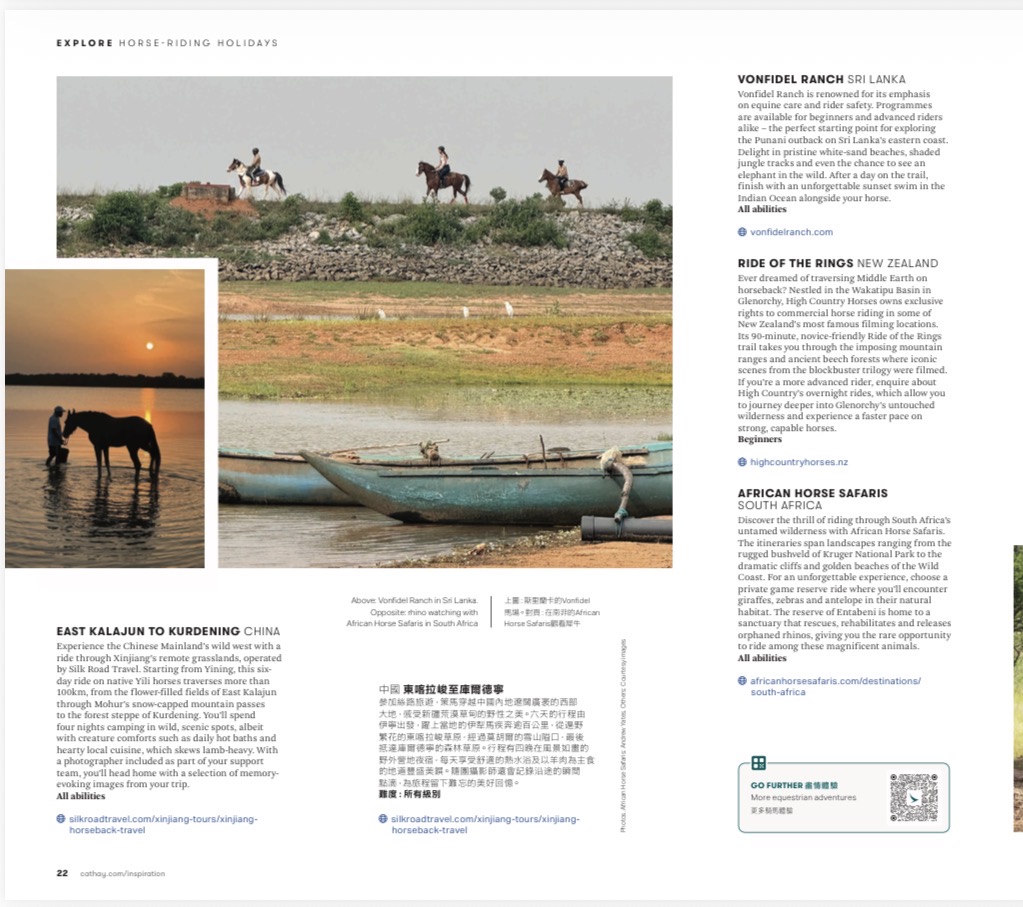
A record of the Cathay Pacific feature, with links to the original publication and related press.
Earlier rider feedback preserved as part of the public record around the Ranch's guest experience.
Practical horse-care guidance for heat, hydration, pests, disease prevention, and stable management.
An early article on manure, forage, water, and agricultural work around horsekeeping at the Ranch.
A practical checklist covering horse welfare, rider suitability, land use, and field judgment.
Read deeper
Continue with the Ranch's welfare doctrine, horse profiles, tack and equipment notes, or the original press references.
Continue from here
Use the links below for a residential riding holiday, a horsemanship training stay, or a shorter trail ride.