
1. How are riders assessed?
Look for a real suitability review, distinct pathways for different abilities, stated party limits, and a clear right to decline.
Riding Holiday Standards
Travelers can assess a riding holiday before they book. The useful evidence is found in rider screening, horse matching, workload limits, guide authority, route decisions, and the operator’s willingness to change or cancel a ride.
The questions below can be used with any equestrian-travel provider. Clear, specific answers matter more than scenic photography or broad welfare language.
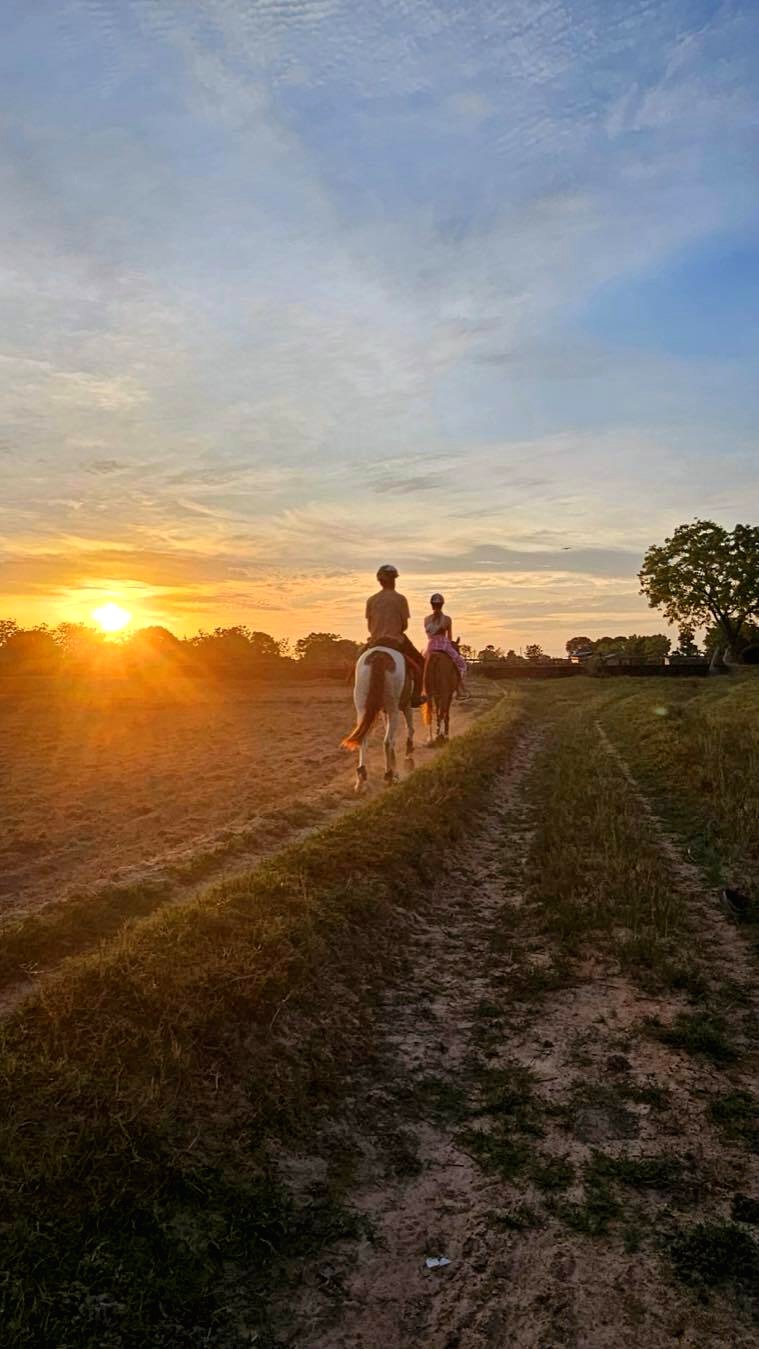
Before booking
Ask what information the operator requires from every rider. Ability, confidence, weight, age, recent experience, party composition, and expectations should affect the recommendation.
Ask how horses are selected, rotated, rested, conditioned, and withdrawn from work. The answer should identify who makes those decisions and whether the limits still apply after a booking is paid.
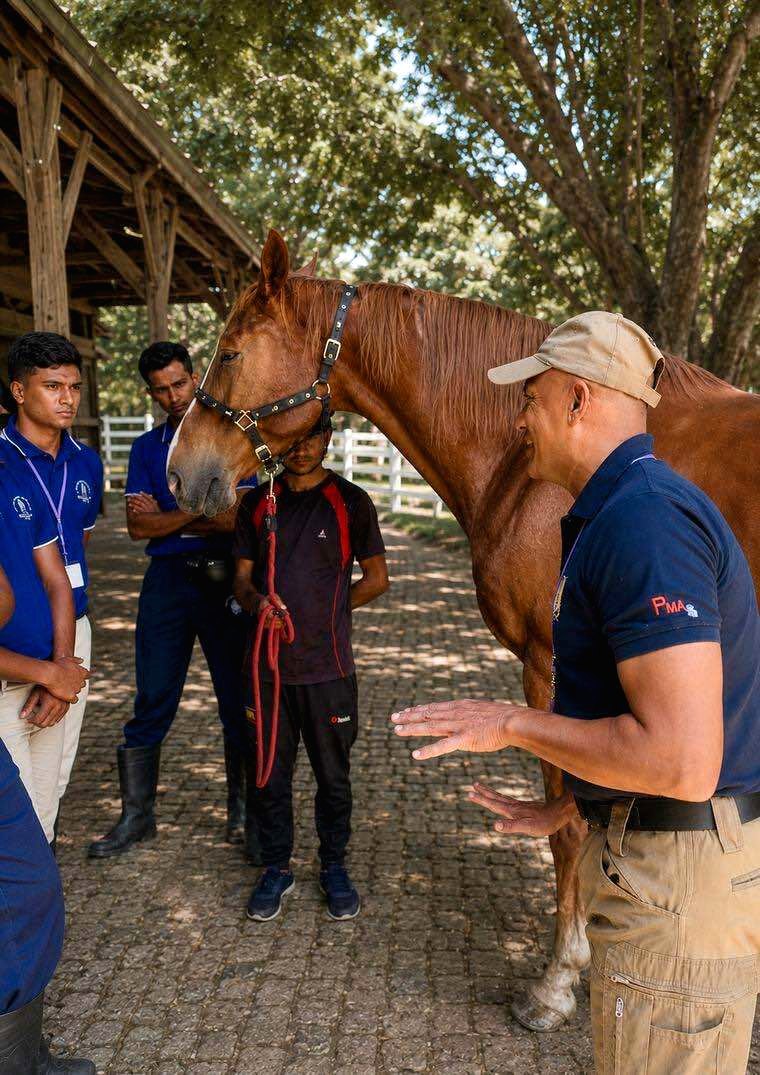
Ask who can change the route, pace, duration, horse allocation, departure time, or decision to ride. Field authority should be explicit before the guest arrives.
Finally, ask what happens when weather, footing, heat, horse condition, or rider conduct changes. A credible operator can explain the decision process without promising that every advertised ride will proceed exactly as planned.
Three tests
Look for a real suitability review, distinct pathways for different abilities, stated party limits, and a clear right to decline.
Look for specific answers about matching, workload, rotation, rest, tack, recovery, health observation, and removal from work.
Look for guides who can change or stop the activity, published conduct rules, and no guarantee that weather or conditions will be overridden.
Evidence
Compare published limits with what happens in practice. Group size, rider screening, horse rotation, route changes, rest, briefing, tack checks, guide instructions, and cancellation terms should tell the same story.
This framework is intended for use across destinations and operators. It does not award a label. It gives travelers a practical basis for asking better questions before they commit to a riding holiday.