
Alfie Ameer
Founder, equestrian lead, and field operator, Vonfidel Ranch.
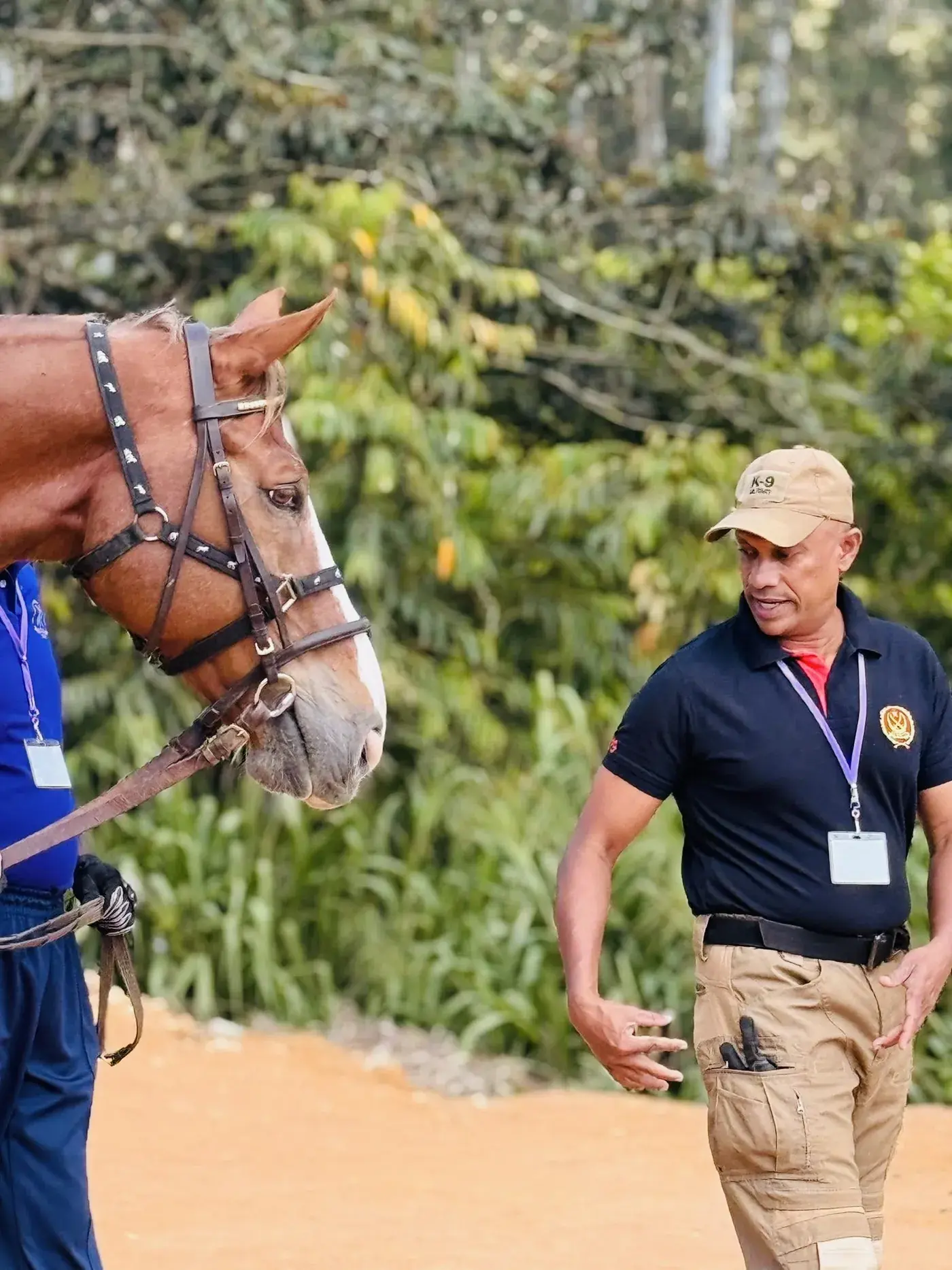
Alfie Ameer leads or personally supervises the Ranch’s riding experiences and exercises final equestrian judgment over horse–rider matching, horse allocation, routes, pace, field conditions, and whether a ride proceeds or changes.
- Basis
- Direct operating responsibility
- Editorial scope
- Horse welfare, suitability, land, and access
- Primary publication
- Vonfidel Ranch Journal
Operating role
Equestrian leadership at Vonfidel Ranch
Alfie leads or personally supervises Signature Riding Holidays and other riding experiences at Vonfidel Ranch. He retains final responsibility for matching rider and horse, choosing or changing the route, setting the acceptable pace, reviewing field conditions, and deciding whether a session proceeds, is shortened, postponed, or not ridden.
These are operational decisions. They are made with the horse’s condition, workload, temperament, and recovery in view, alongside the rider’s stated experience, balance, confidence, the weather, footing, and the intended route.
Alfie’s field notes and Journal essays are written from the same operating responsibility described here.
Public record
Role, responsibilities, and public record
- Role
- Founder, equestrian lead, and field operator at Vonfidel Ranch.
- External role
- Lead Consultant at SMART Security.
- Place of work
- A private equestrian estate in eastern Sri Lanka.
- Operational scope
- Leads or personally supervises riding experiences and holds final judgment on horse–rider matching, horse allocation, routes, pace, field conditions, and whether a ride proceeds or changes.
- Editorial record
- First-person field notes and essays published in the Vonfidel Ranch Journal.
- Institutional context
- About the Ranch, Standard of Access, and Press & Recognition.
Riding responsibility
How field decisions are made
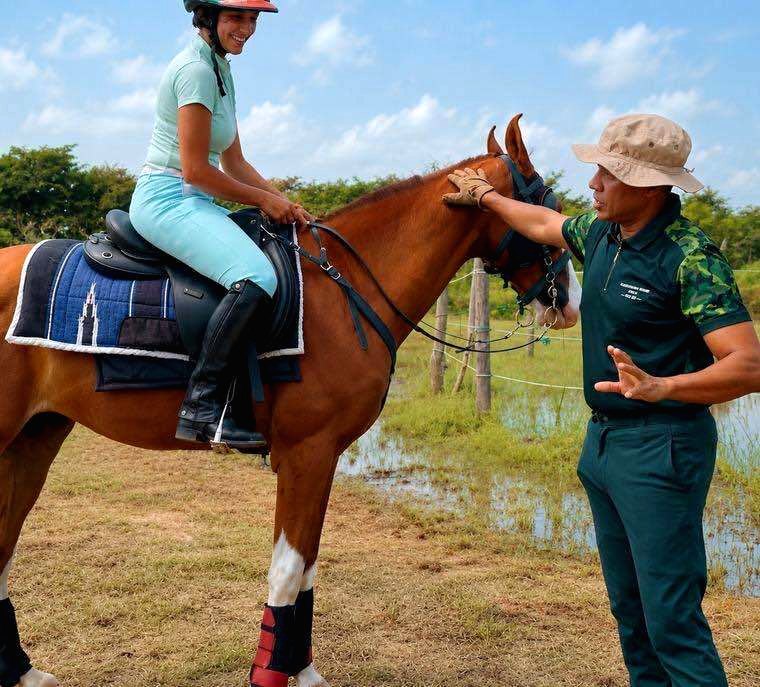
For Signature Riding Holidays, Alfie leads or personally supervises the experience. The guide may set the immediate pace in the field, while horse allocation, route, acceptable pace, and material changes to the day remain within Alfie’s equestrian judgment.
A route may change after rain, heat, altered footing, a horse’s condition, or a rider’s response. The prepared plan remains secondary to the horse, the rider, and the conditions actually present.
Review Signature Riding HolidaysEditorial method
Editorial standards
- 01
Direct observation
Field notes identify what was seen, handled, judged, changed, or learned in the operation itself.
- 02
Clear attribution
Ranch doctrine is presented as a position; external facts and third-party reporting remain attributable to their sources.
- 03
Protected uncertainty
Conditions, horse responses, and rider suitability are not flattened into promises for cleaner marketing.
- 04
Substantive revision
Review dates should reflect meaningful editorial or factual work, not cosmetic freshness.
Selected writing
Selected field writing
- 01Reading WaterField note
- 02Assessing Riding Conditions Before a Trail RideOperating judgment
- 03The Things a Guest Cannot ReviewHospitality
- 04Calm AuthorityHorsemanship
- 05Why Ethical Horsemanship Matters More Than Trail SpeedHorse welfare
- 06Why Rural Sri Lanka Needs Experience-Led TourismPlace
Verification path
Sources and verification
The links below connect this profile to the Ranch’s published standards, Alfie’s complete Journal record, and independent coverage. The Sunday Times item above is presented as an externally published essay by Alfie, not as third-party validation of an equestrian qualification.