
Riding Mechanics
Position, balance, timing, independent control, and steadier decision-making in the saddle.
Private training at Vonfidel Ranch
Private horsemanship training holidays in Sri Lanka covering riding mechanics, ground handling, horse care, stable practice, and progression from groundwork to open terrain.
Each stay combines riding, ground handling, observation, horse care, and recovery, with workload and progression adjusted around rider capacity and horse welfare.
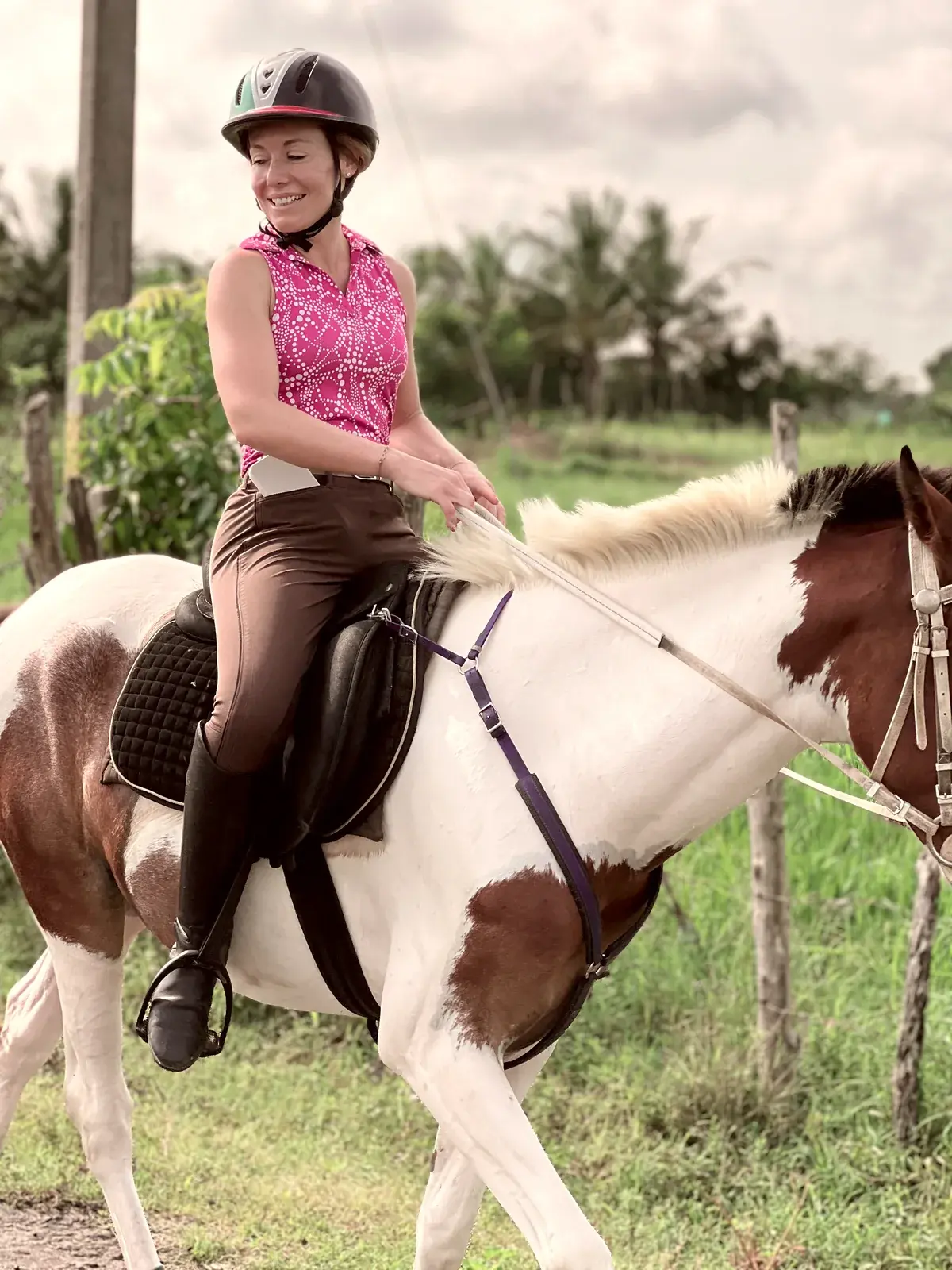
Program structure
The program is a structured learning environment for riders who want to improve mechanics, handling, observation, horse care, and judgment through repeated practical work. The agreed structured program is included without per-session charges.
Participants spend time riding, handling, observing, caring for, and learning from horses within a carefully managed environment. Every session is designed around welfare, clarity, and repeatability. Progress is measured through practical application rather than spectacle, intensity, or mileage.
What is trained
Training at Vonfidel Ranch is built on the principle that horsemanship must function across contexts. Skill that only exists in controlled conditions is incomplete. Confidence without structure is unsafe.
Position, balance, timing, independent control, and steadier decision-making in the saddle.
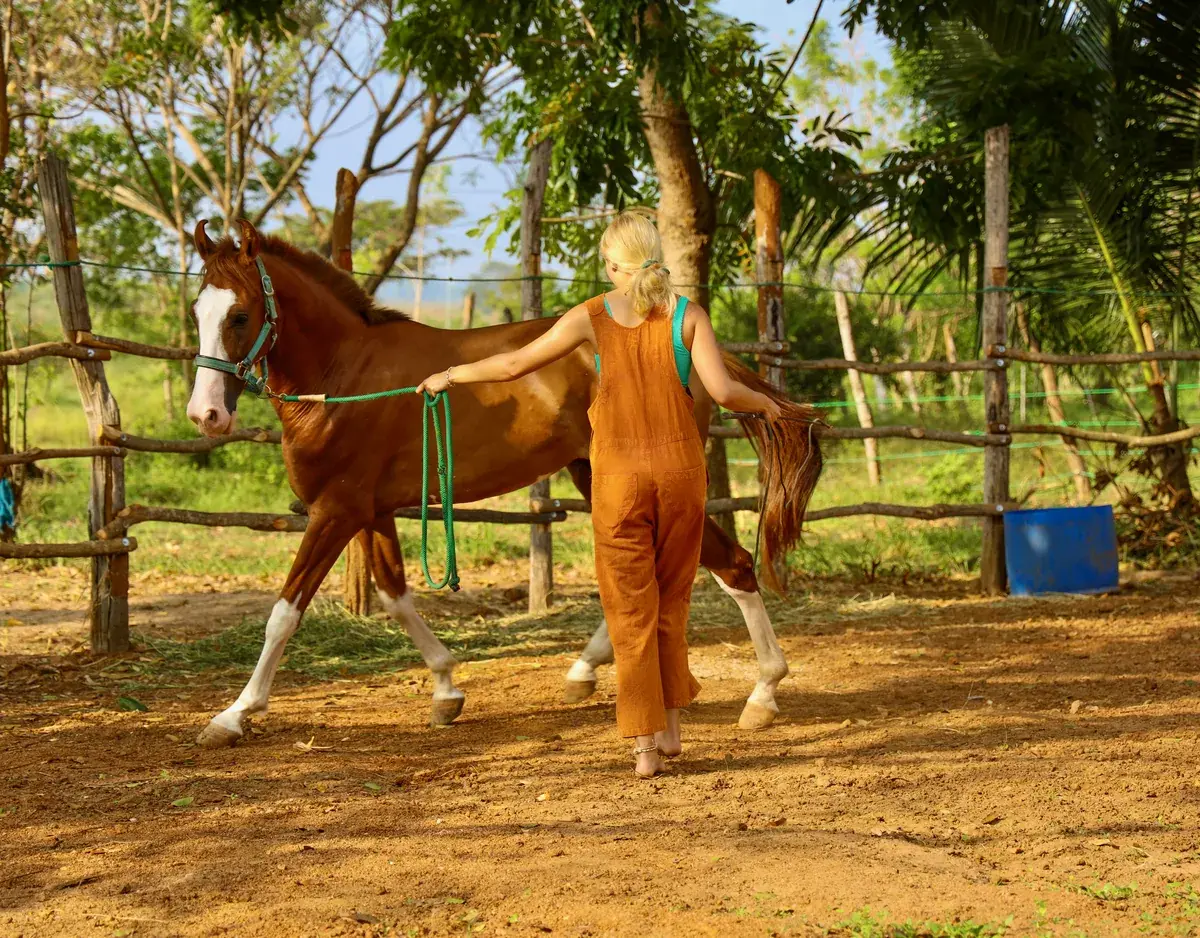
Handling, stable discipline, boundaries, consistency, and practical responsibility around the horse.
Daily management, observation, welfare signals, recovery, and workload awareness.
Contextual riding in real conditions where judgment, pace, weather, and footing matter.
Horse observation
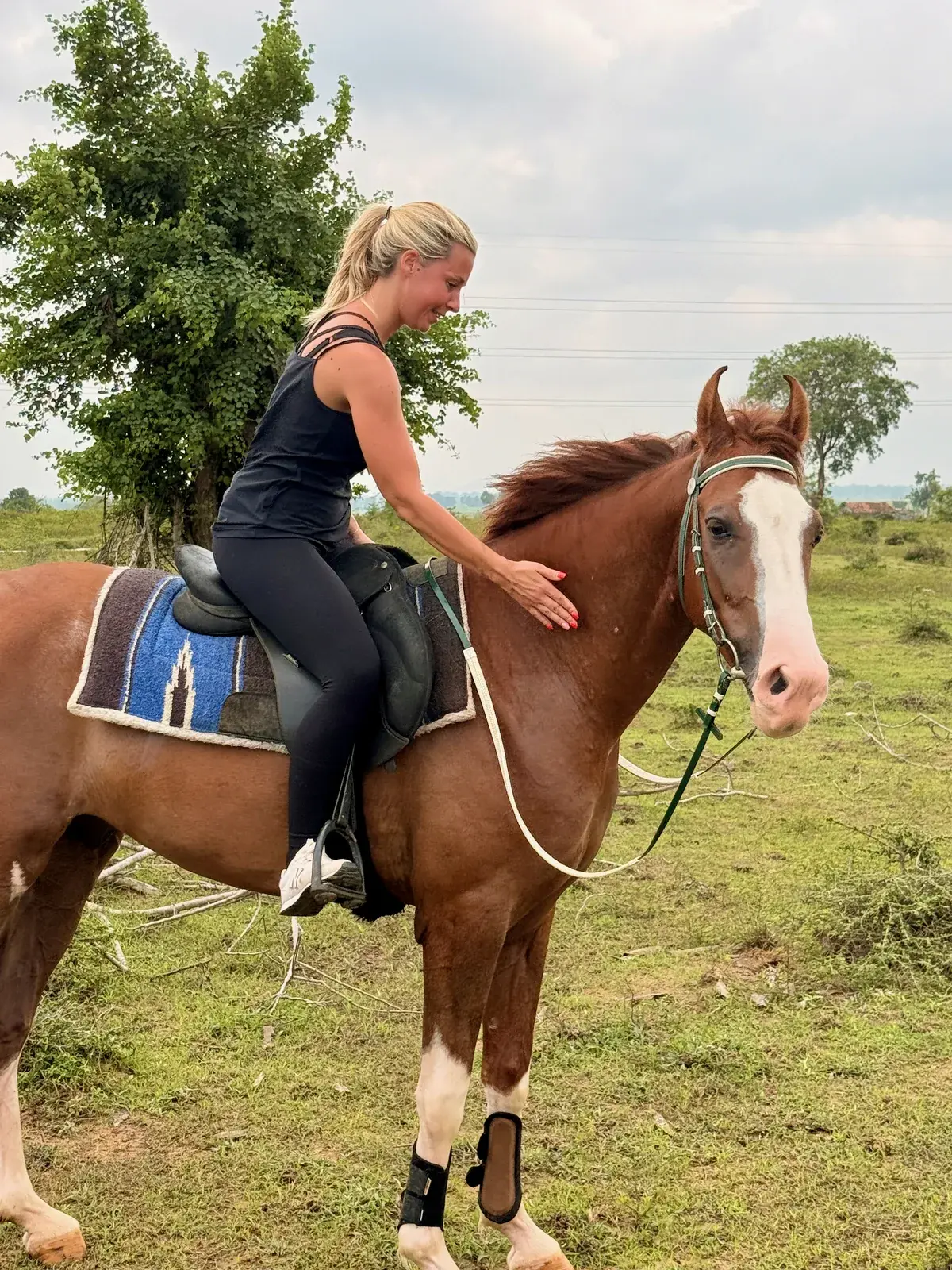
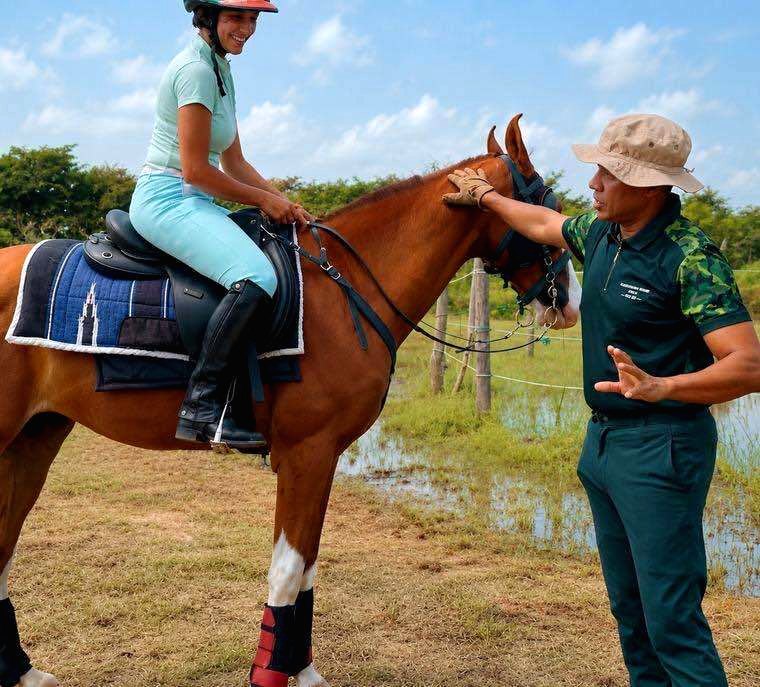
Useful horsemanship is not only visible in formal instruction. It is also present in the pause: the rider's hand, the horse's expression, the softness before asking again, and the willingness to notice whether the horse is still available.
At Vonfidel Ranch, this kind of contact is not treated as sentiment. It is information. A horse that is calm enough to listen, and a rider patient enough to feel, create the conditions for better work.
Progress begins when the rider stops trying to produce a moment and starts reading the horse in front of them.
Training rhythm
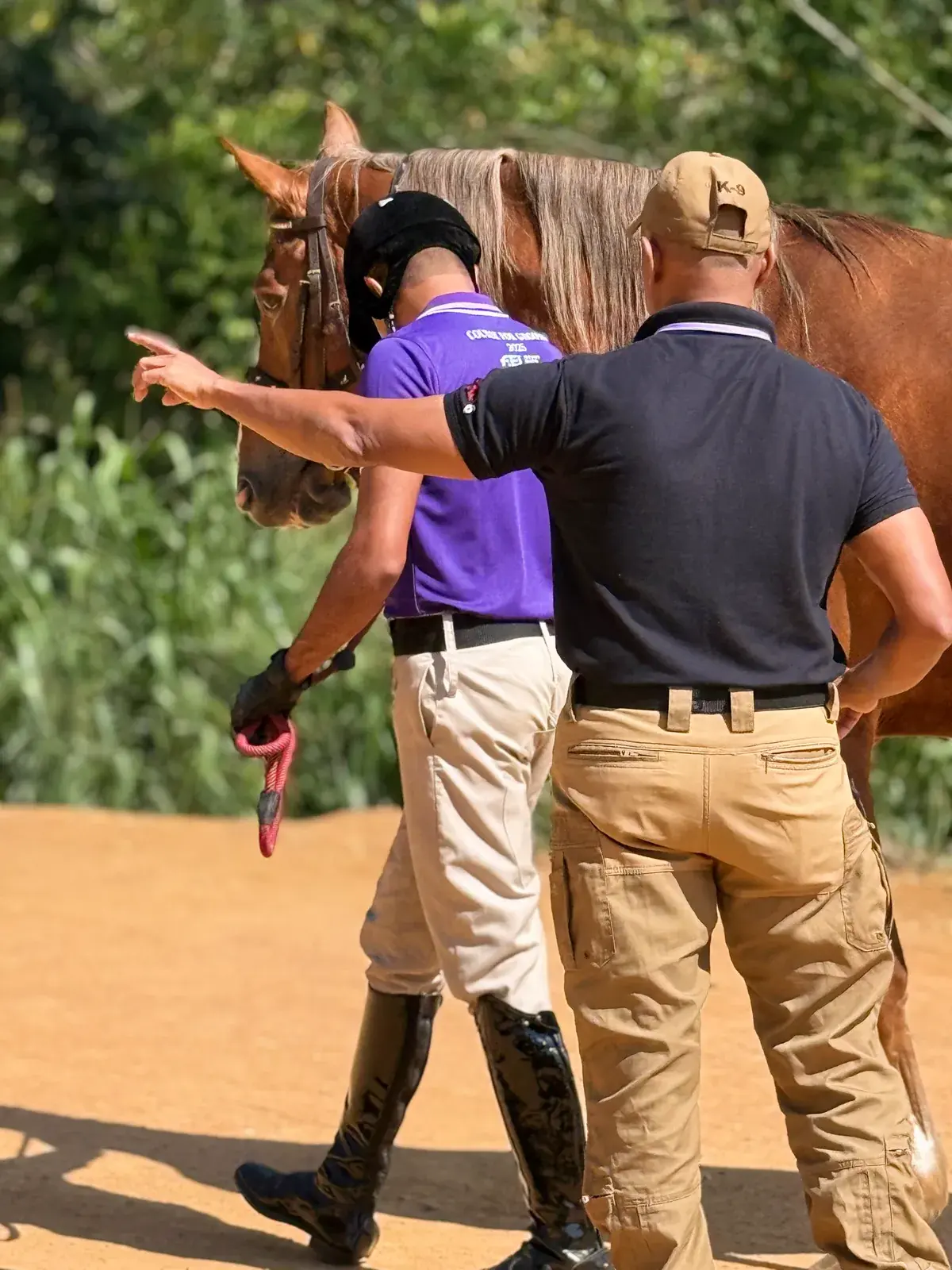
The learning sequence is practical and deliberately paced: handling, instruction, riding application, observation, and recovery all belong to the same discipline.
Evening flatwork
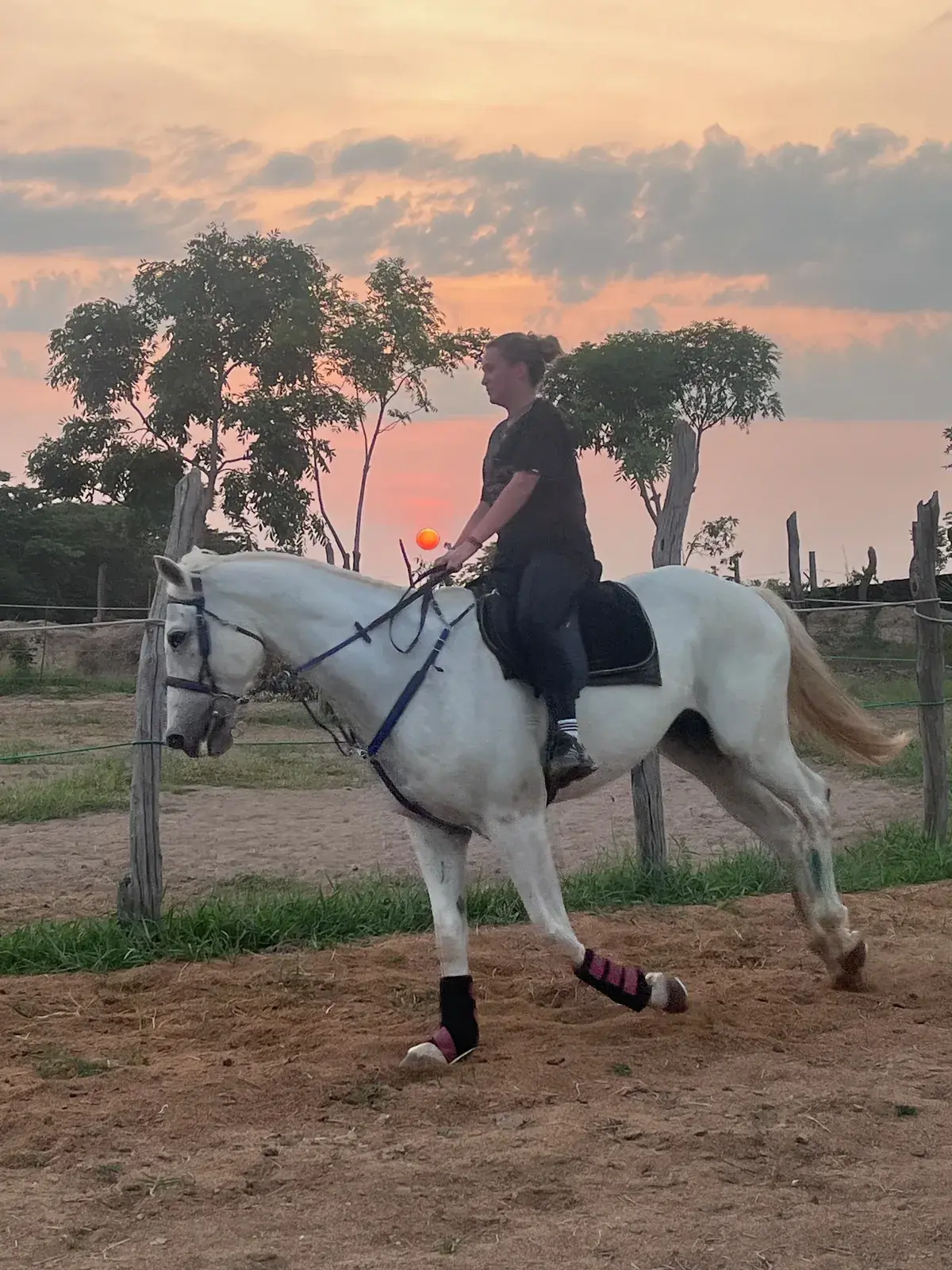
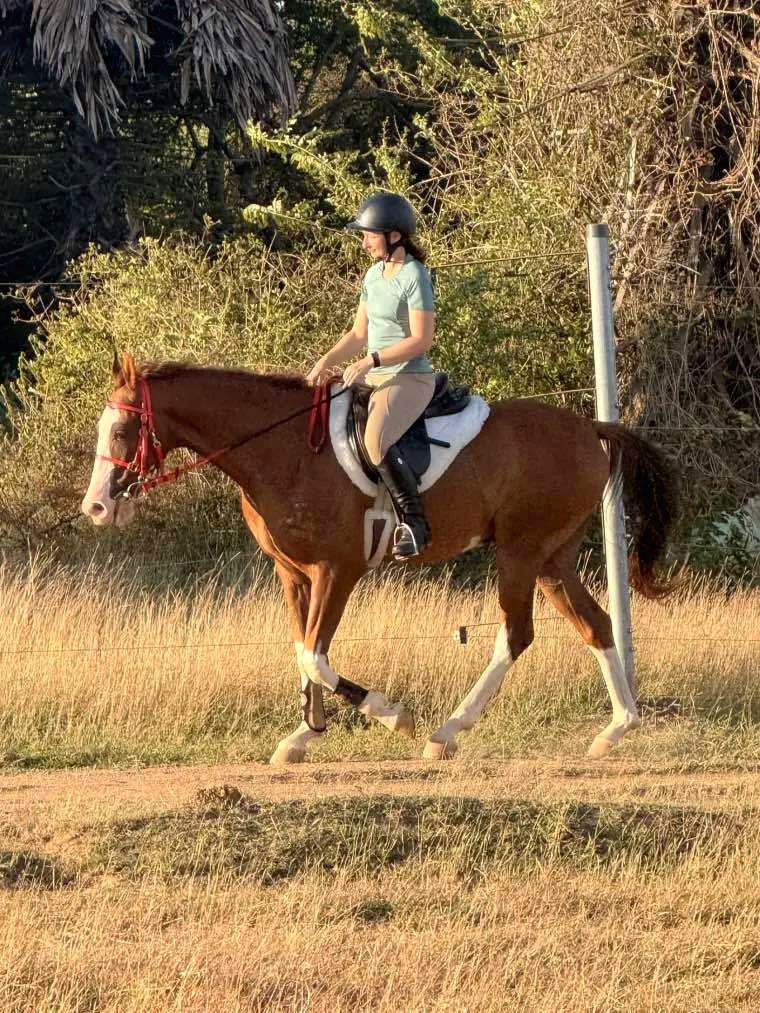
Some of the most useful work happens without drama: clear rhythm, light correction, patient transitions, and enough time for horse and rider to find a steadier conversation.
The aim is not to manufacture a riding moment. It is to improve the horse's answer and the rider's judgment until the work becomes calmer, clearer, and more repeatable.
Suitability
The program is limited to a maximum of four riders. The minimum riding age is 12, and every rider under 18 must be accompanied by a parent or guardian, who may stay as a non-riding guest. The maximum is 75 kg current body weight per rider. The program is suited to riders who are receptive to correction, prepared to reassess habits, and interested in steadier judgment rather than dramatic riding moments. It is not designed for large groups, casual entertainment, or riders unwilling to adapt their approach when required.
For beginner and novice riders, Horsemanship Training is the appropriate development pathway. Progression to a Signature Riding Holiday is not automatic; that pathway requires intermediate ability or above and independent control at walk, trot, and canter in open country.
By prior suitability review
Share your riding background, training goals, preferred dates, riders, and any non-riding companions. Horses, saddles, and Ranch tack are provided; bring your own properly fitted helmet where possible, or request free use of a Ranch helmet in advance, subject to suitable fit and availability. Optional transport must be requested with the application and is quoted separately.