
Riding is what most people notice.
Handling is what horses remember.
At a distance, riding looks like the work. The saddle, the movement, the image of progress. Handling happens before and after — often unnoticed, rarely photographed, almost never discussed.
Yet it is handling that decides whether a horse is calm, compliant, defensive, or quietly willing. Riding merely reveals what handling has already shaped.
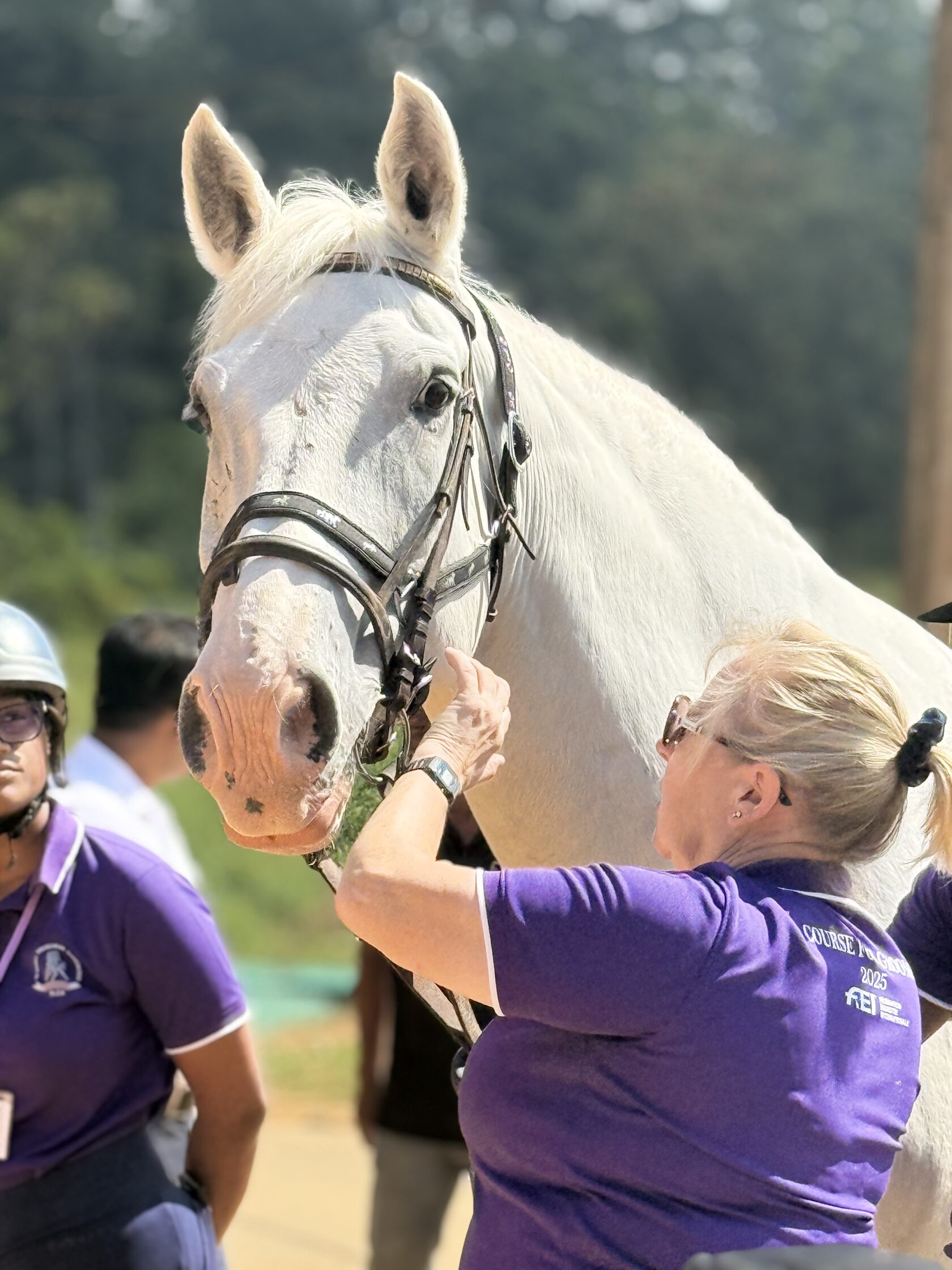
Handling is how a halter is put on.
How long a horse is asked to wait.
Whether pressure is released early — or late.
It is the tone of the human body long before the reins are picked up. The patience shown when nothing is being demanded. The discipline to do less when less is enough.
Horses do not experience time the way people do. They experience patterns. Handling is where those patterns are formed.
Riding can be taught quickly.
Handling cannot.
Riding rewards confidence.
Handling requires restraint.
Many riders are skilled.
Far fewer handlers are deliberate.
This is why a horse may move beautifully under saddle, yet brace when approached, rush when tied, or dull when led.
None of this begins in the saddle.
At Vonfidel Ranch, riding is never treated as the starting point. It is treated as a consequence.
Handling comes first.
Always.
A quiet lead.
A clear pause.
A consistent release.
These are not gestures of kindness. They are acts of discipline.
Horses understand them immediately. Humans take much longer.
Handling is what horses remember.
At a distance, riding looks like the work. The saddle, the movement, the image of progress. Handling happens before and after — often unnoticed, rarely photographed, almost never discussed.
Yet it is handling that decides whether a horse is calm, compliant, defensive, or quietly willing. Riding merely reveals what handling has already shaped.
Handling is how a halter is put on.
How long a horse is asked to wait.
Whether pressure is released early — or late.
It is the tone of the human body long before the reins are picked up. The patience shown when nothing is being demanded. The discipline to do less when less is enough.
Horses do not experience time the way people do. They experience patterns. Handling is where those patterns are formed.
Riding can be taught quickly.
Handling cannot.
Riding rewards confidence.
Handling requires restraint.
Many riders are skilled.
Far fewer handlers are deliberate.
This is why a horse may move beautifully under saddle, yet brace when approached, rush when tied, or dull when led.
None of this begins in the saddle.
At Vonfidel Ranch, riding is never treated as the starting point. It is treated as a consequence.
Handling comes first.
Always.
A quiet lead.
A clear pause.
A consistent release.
These are not gestures of kindness. They are acts of discipline.
Horses understand them immediately. Humans take much longer.