
In most riding conversations, attention gravitates quickly toward the rider.
Skill level. Experience. Confidence. Technique. Style.
This emphasis is understandable, but it is also misplaced.
In any serious equestrian system, the rider is the least important variable — not because the rider does not matter, but because everything else must be right before the rider ever should.
The horse is not an interchangeable instrument. It is a living system shaped by genetics, conditioning, nutrition, handling, workload, and environment. Long before a rider’s hands touch the reins, outcomes have already been determined by the quality of decisions made around the horse’s daily life.
Soundness is not produced in the saddle. It is preserved outside of it.
Trust is not installed by technique. It is earned through consistency.
Calm is not demanded. It is cultivated.
When these foundations are neglected, the rider is asked to compensate — with strength, control, correction, or bravado. Riding then becomes a performance of dominance rather than a practice of alignment.
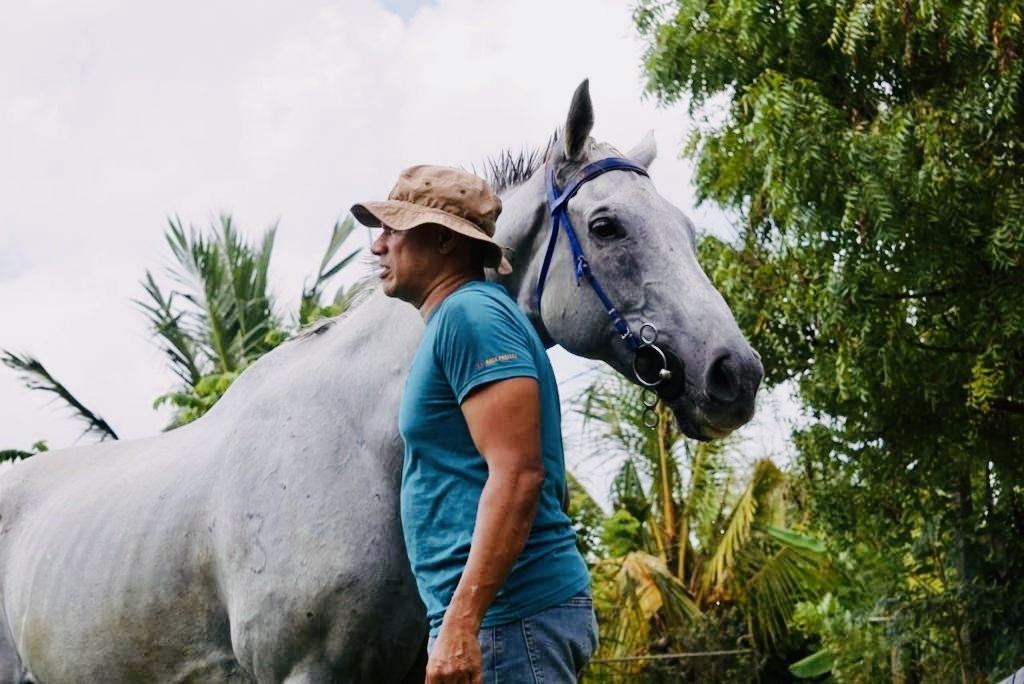
At Vonfidel Ranch, riding begins long before a guest arrives. Horses are selected, rotated, rested, and worked with restraint. Terrain is read. Distances are measured. Pace is moderated. Nothing is rushed for the sake of experience, and nothing is exaggerated for effect.
This shifts the role of the rider entirely.
The rider is no longer the protagonist. They are a participant within a larger system — one that includes the horse’s welfare, the land’s tolerance, and the limits of repetition. In this context, good riding is not about expression or achievement. It is about not interfering.
The most accomplished riders understand this instinctively. They are quiet not because they lack confidence, but because they do not need to assert it. Their effectiveness comes from timing, not force; from clarity, not insistence.
The paradox is simple: the less important the rider believes themselves to be, the better the riding becomes.
When horses are managed with discipline and care, when systems are designed to protect soundness and trust, the rider is freed from the need to prove anything. What remains is attentiveness — to rhythm, to balance, to what the horse is already offering.
In such moments, riding ceases to be about control.
It becomes an act of respect.
Skill level. Experience. Confidence. Technique. Style.
This emphasis is understandable, but it is also misplaced.
In any serious equestrian system, the rider is the least important variable — not because the rider does not matter, but because everything else must be right before the rider ever should.
The horse is not an interchangeable instrument. It is a living system shaped by genetics, conditioning, nutrition, handling, workload, and environment. Long before a rider’s hands touch the reins, outcomes have already been determined by the quality of decisions made around the horse’s daily life.
Soundness is not produced in the saddle. It is preserved outside of it.
Trust is not installed by technique. It is earned through consistency.
Calm is not demanded. It is cultivated.
When these foundations are neglected, the rider is asked to compensate — with strength, control, correction, or bravado. Riding then becomes a performance of dominance rather than a practice of alignment.
At Vonfidel Ranch, riding begins long before a guest arrives. Horses are selected, rotated, rested, and worked with restraint. Terrain is read. Distances are measured. Pace is moderated. Nothing is rushed for the sake of experience, and nothing is exaggerated for effect.
This shifts the role of the rider entirely.
The rider is no longer the protagonist. They are a participant within a larger system — one that includes the horse’s welfare, the land’s tolerance, and the limits of repetition. In this context, good riding is not about expression or achievement. It is about not interfering.
The most accomplished riders understand this instinctively. They are quiet not because they lack confidence, but because they do not need to assert it. Their effectiveness comes from timing, not force; from clarity, not insistence.
The paradox is simple: the less important the rider believes themselves to be, the better the riding becomes.
When horses are managed with discipline and care, when systems are designed to protect soundness and trust, the rider is freed from the need to prove anything. What remains is attentiveness — to rhythm, to balance, to what the horse is already offering.
In such moments, riding ceases to be about control.
It becomes an act of respect.