
There is an assumption, common enough to feel invisible, that hospitality improves when scale increases. More rooms. More slots. More throughput. More availability.
At Vonfidel Ranch, we learned early that this logic fails the moment horses enter the equation.
A horse does not experience “capacity” the way a booking system does. It experiences repetition, pressure, fatigue, inconsistency. It experiences hands that change, cues that blur, and rhythms that harden. Long before something breaks visibly, something erodes quietly.
So we chose a different constraint.
We do not limit guests because we are exclusive.
We limit horses because we are precise.
Only a portion of the herd is ever in active rotation. Others rest, reset, or remain in reserve. This is not inefficiency; it is the margin that allows calm to remain calm, soundness to remain sound, and partnership to remain honest.
The result is counter-intuitive to most people.
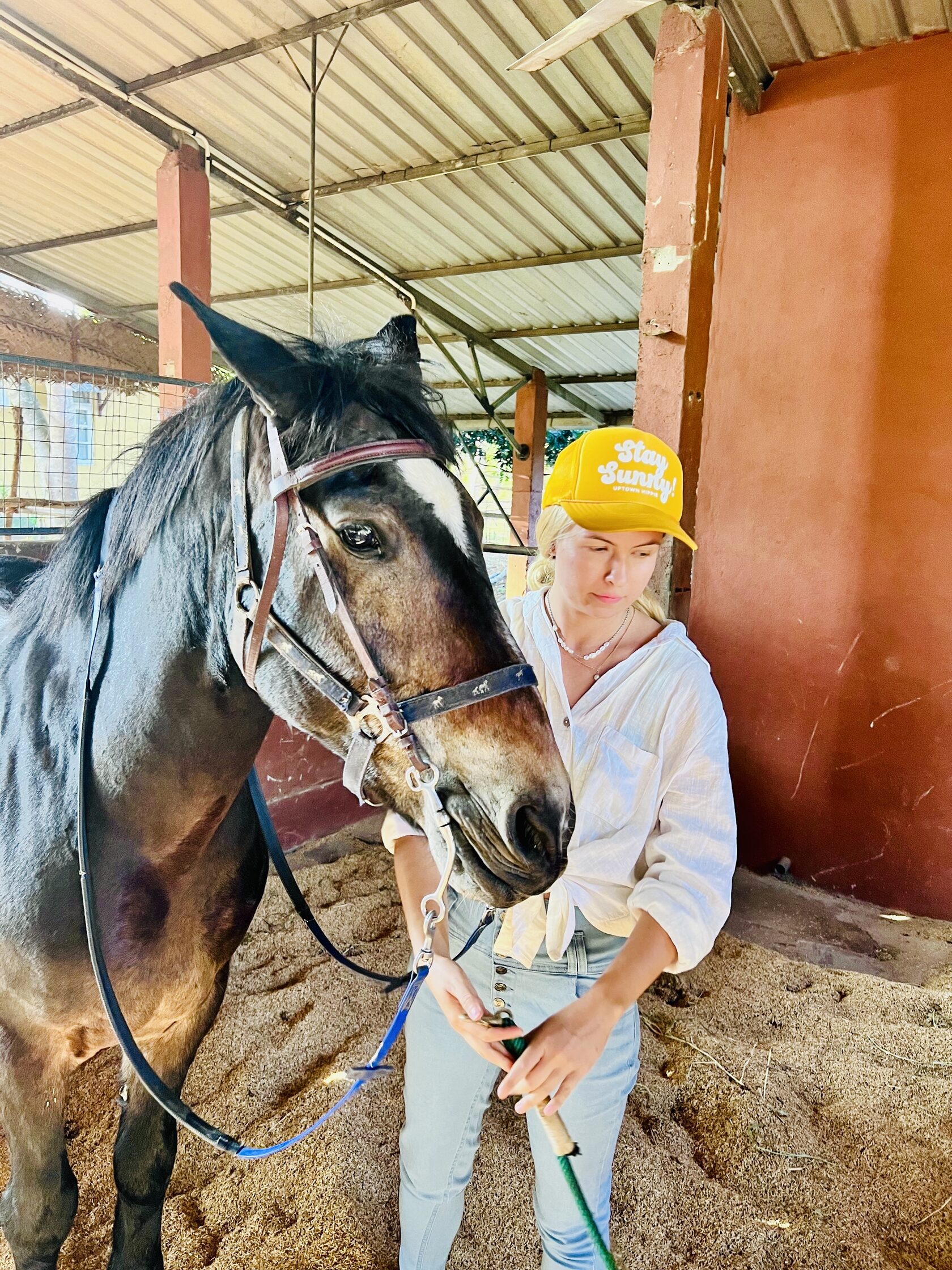
Riders wait. Dates are unavailable. Enquiries outpace confirmations. And yet, when someone does arrive, they step into an environment that feels unusually settled — horses that are present rather than reactive, guides who are unhurried, and trails that are allowed to breathe.
This is not accidental. It is designed.
The easiest thing would be to extract more use from each animal. The hardest thing is to stop before extraction becomes habit. Discipline, in this context, is not about control — it is about restraint.
We believe guests benefit from this, even if they never hear it explained. Horses that are not overused carry people differently. They respond more softly. They forgive more readily. They allow silence. And silence, on a trail, is often the clearest indicator that things are being done correctly.
In a world that optimises relentlessly, choosing not to optimise is a statement. It says that some systems are not meant to be pushed to their edges. That welfare is not a slogan but a daily arithmetic. That longevity matters more than immediacy.
We have found that the right guests understand this instinctively. They are not looking for abundance; they are looking for alignment. Not access, but assurance — that what they are part of has not been compromised before they arrived.
This is why we limit horses, not guests.
And why, when the experience feels uncommonly calm, it is because something elsewhere was deliberately held back.
At Vonfidel Ranch, we learned early that this logic fails the moment horses enter the equation.
A horse does not experience “capacity” the way a booking system does. It experiences repetition, pressure, fatigue, inconsistency. It experiences hands that change, cues that blur, and rhythms that harden. Long before something breaks visibly, something erodes quietly.
So we chose a different constraint.
We do not limit guests because we are exclusive.
We limit horses because we are precise.
Only a portion of the herd is ever in active rotation. Others rest, reset, or remain in reserve. This is not inefficiency; it is the margin that allows calm to remain calm, soundness to remain sound, and partnership to remain honest.
The result is counter-intuitive to most people.
Riders wait. Dates are unavailable. Enquiries outpace confirmations. And yet, when someone does arrive, they step into an environment that feels unusually settled — horses that are present rather than reactive, guides who are unhurried, and trails that are allowed to breathe.
This is not accidental. It is designed.
The easiest thing would be to extract more use from each animal. The hardest thing is to stop before extraction becomes habit. Discipline, in this context, is not about control — it is about restraint.
We believe guests benefit from this, even if they never hear it explained. Horses that are not overused carry people differently. They respond more softly. They forgive more readily. They allow silence. And silence, on a trail, is often the clearest indicator that things are being done correctly.
In a world that optimises relentlessly, choosing not to optimise is a statement. It says that some systems are not meant to be pushed to their edges. That welfare is not a slogan but a daily arithmetic. That longevity matters more than immediacy.
We have found that the right guests understand this instinctively. They are not looking for abundance; they are looking for alignment. Not access, but assurance — that what they are part of has not been compromised before they arrived.
This is why we limit horses, not guests.
And why, when the experience feels uncommonly calm, it is because something elsewhere was deliberately held back.